♦ About · The P1 Way
One Standard. Many Origins.
The P1 standard offers the "full spectrum" of crew training methodology, built from operational experience across services, platforms, and continents.
♦ Methodology
Full spectrum
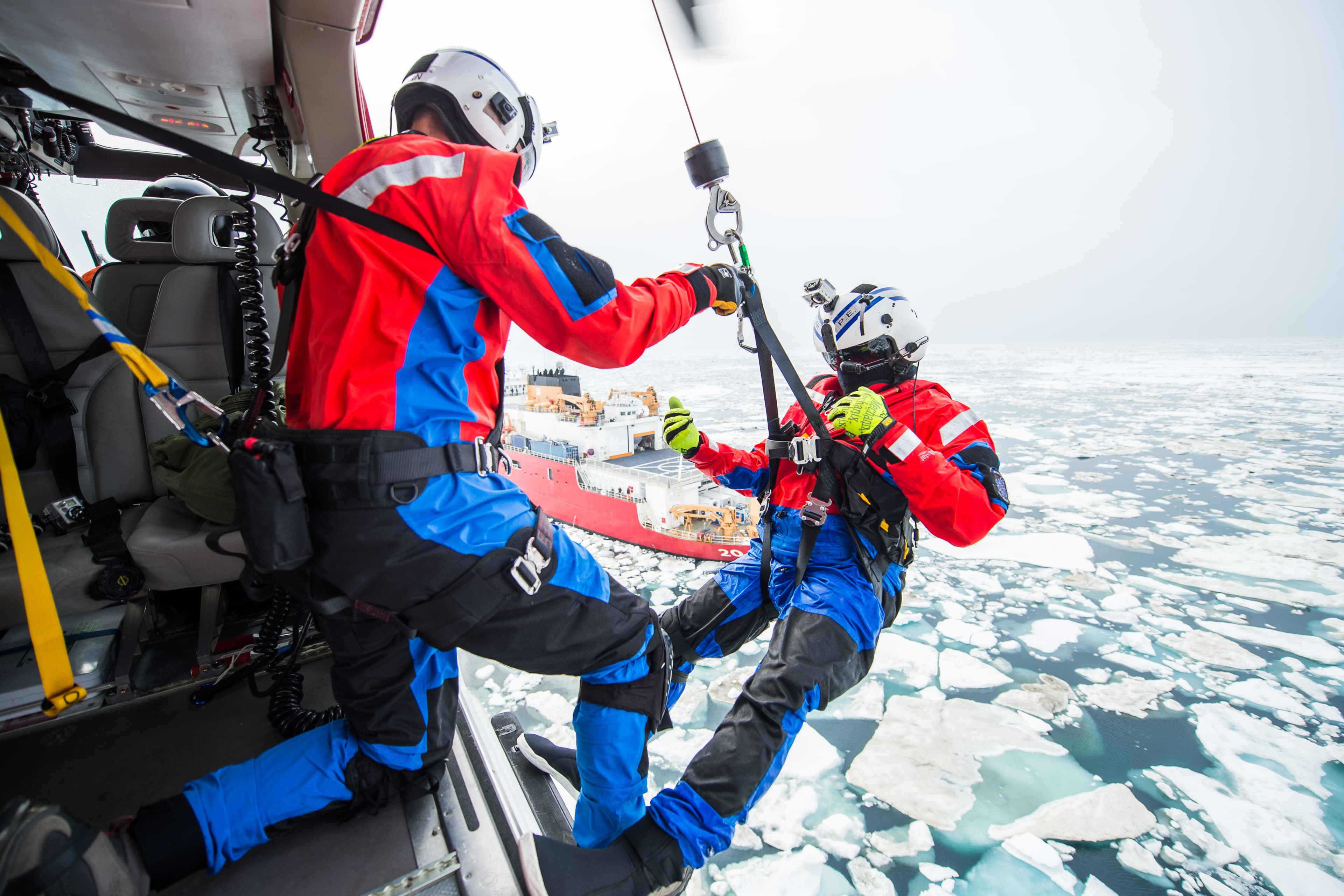
The P1 standard was built in the field, program by program, platform by platform, service by service—over 27+ years and 40+ countries of operational delivery.
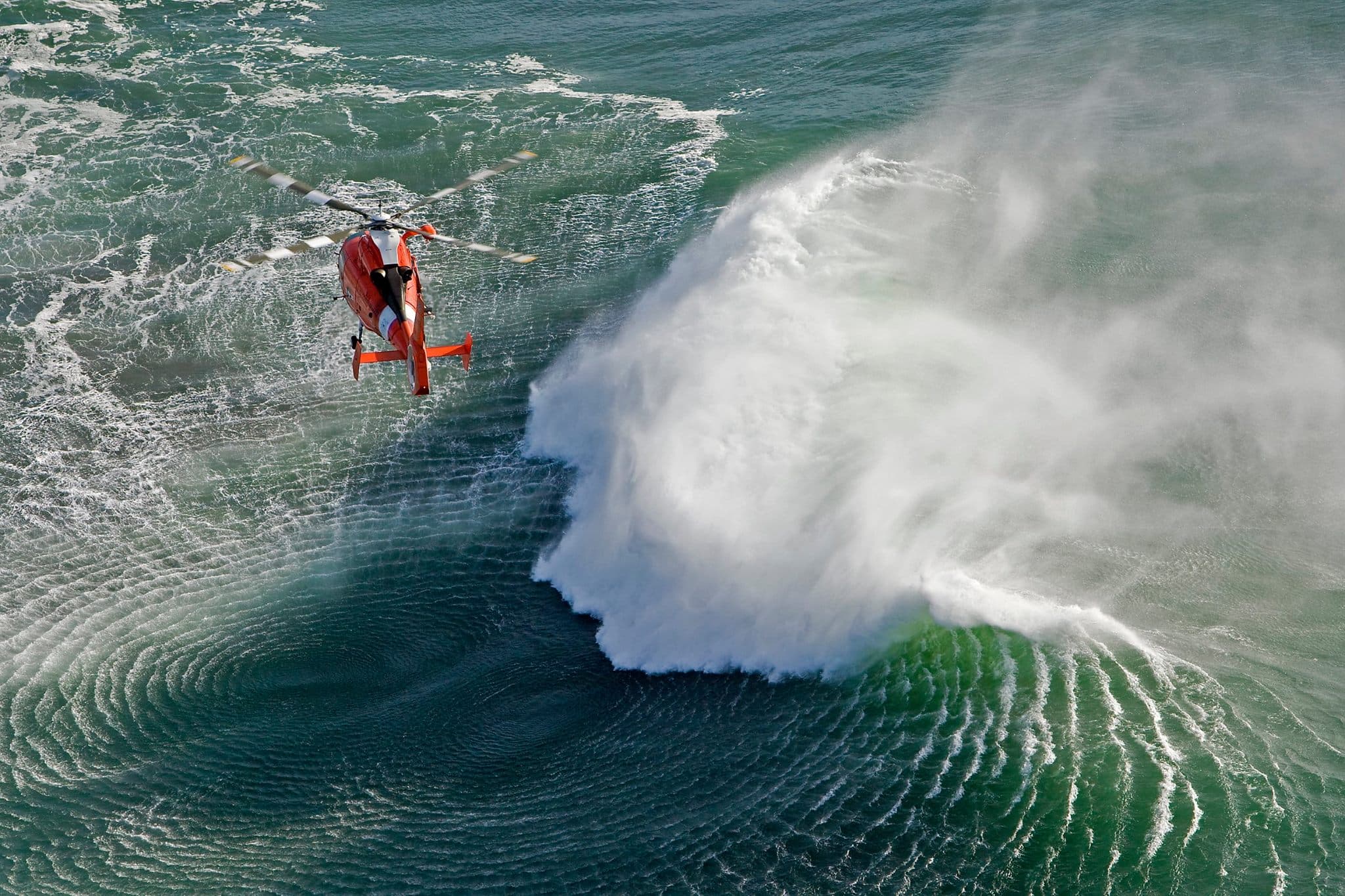
Every program P1 has delivered contributes to the standard. When we trained the Coast Guard, we learned what works for ab-initio operators on a compressed timeline. When we trained the French MoD, we learned how European doctrine approaches crew resource management. When we trained CBP, we learned how to bridge the gap between agencies that had never operated together.
The standard is the sum of all of that experience. It is the synthesis of the best practices from every service, every platform, every operational environment we have worked in—tested, documented, and refined.
♦ Many Origins
Where the standard comes from
 Military
Precision under pressure
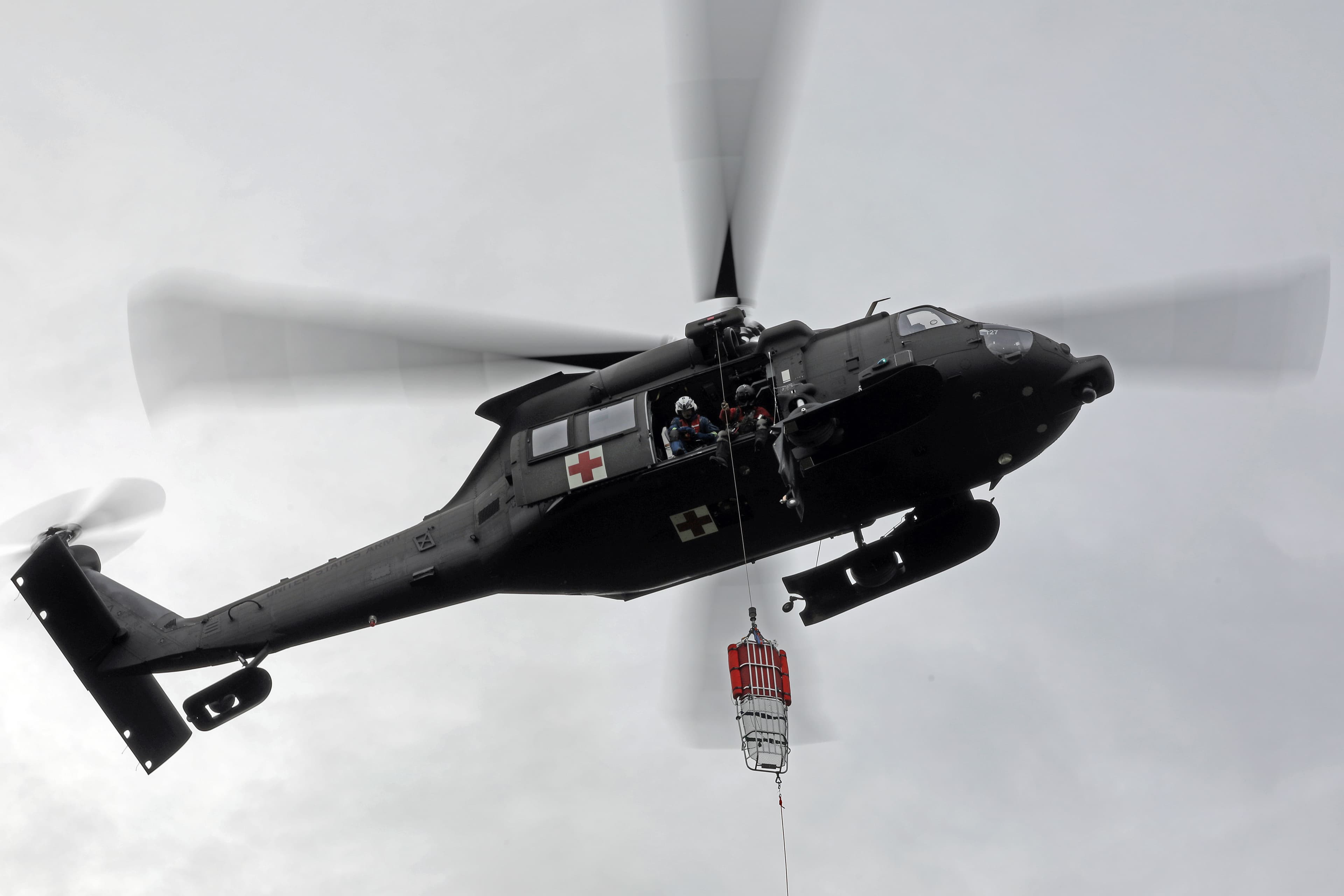
JSOC, 160th SOAR, USAF, Army National Guard. The military programs demanded procedures that meet only the most demanding mission requirements. That discipline runs through every P1 curriculum.
 Federal & Civil
Accountability and scale
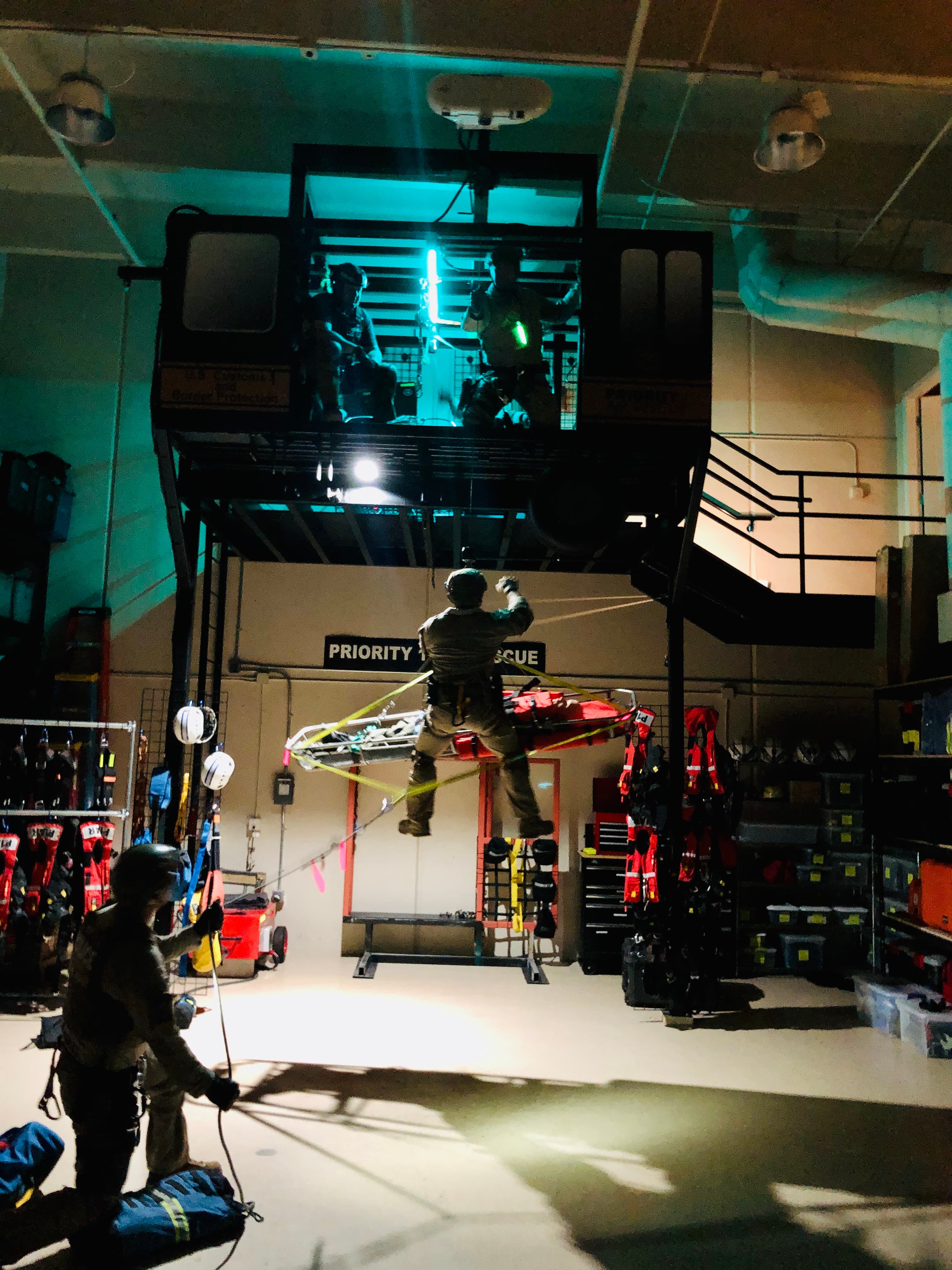
USCG, CBP, FBI, state agencies. These programs required documented outcomes, regulatory compliance, and the ability to train large cohorts on repeatable timelines. The standard had to be auditable.
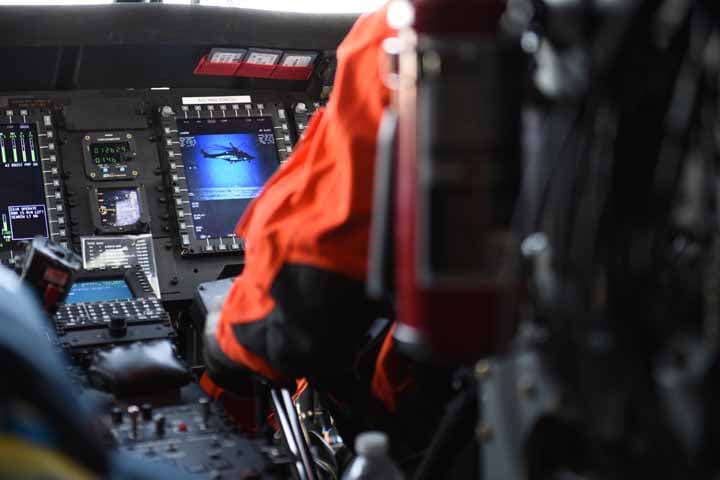 International
Cross-border fluency
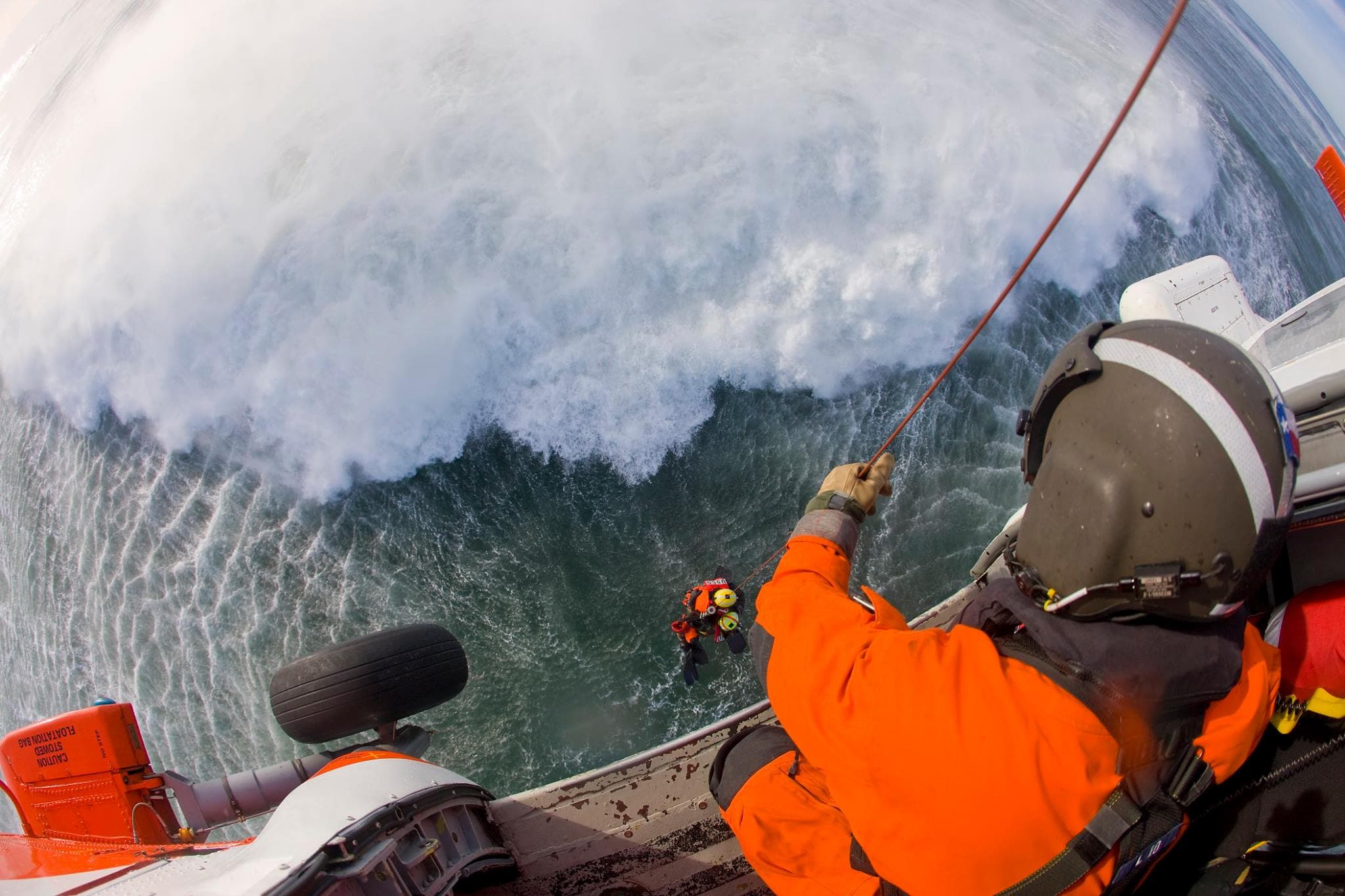
French MoD, RNLAF, Bundespolizei, FGAU, RCMP. Each country brought different regulatory frameworks, different doctrine, different equipment. The standard had to work across multiple jurisdictions and methodologies.
♦ Strategic Outcome
Interoperability is not a feature. We've proven it can scale.
When CBP and the Coast Guard both train to the P1 standard, they can operate together during a hurricane response in Texas without a week of integration training. When a Bristow crew transfers to another jurisdiction, the procedures translate. When a French military flight engineer deploys alongside a Dutch crew, the language of the cabin is the same.
This is not theoretical. It has happened and continues to happen. The P1 standard creates interoperability as a strategic outcome—not as a side effect of one vendor happening to train multiple customers.

The Bridge
"Europe dips, the US jumps—P1 bridges all of it."
European hoist doctrine uses a descent technique. American doctrine uses a jump technique. Both work. Both have trade-offs. P1 teaches operators to understand both—because in a multinational operation, you need crews who can work in any framework, not just their own.
Proven
P1-trained crews from different services and different countries have operated together successfully because they share a common procedural language. The standard does not replace service-specific doctrine—it provides the common framework that makes joint operations possible.
♦ Outcomes
What the standard produces
Repeatable
Same inputs, same outputs. Whether it is Mesa or Bordeaux, the first class or the fiftieth, the training delivers the same documented outcome.
Transferable
Operators trained to the P1 standard carry it with them when they move between agencies, platforms, or countries. The foundation holds.
Auditable
Certified by EASA, FAA, Transport Canada, CAA UK, IAA. Every session documented, every evaluation recorded, every outcome traceable to a defined standard.
Interoperable
Crews from different services and different nations operate together because the procedural language is the same. That is the strategic payoff.
♦ The P1AR Ethos
Priority 1 Air Rescue Ethos
Our ethos is the standard by which we hold ourselves and each other accountable. It is the embodiment of the demonstrative and tangible core practices that define the unquestionable character of the blue team.
I am proactive, focused in my efforts, and committed to the relentless pursuit of excellence.
Performing Search and Rescue is not just a job, it's an honor and a privilege to help people in need. This gives us a sense of purpose that helps us be courageous when called upon.
We are highly motivated, disciplined, and determined in the face of adversity as this is imperative to the mission, our team, and my individual success.
We pursue the mastery of our craft through the diligent and continuous assessment and refinement of our skills, tactics, and training. We are internationally recognized and prepare ourselves, our partners, and our students to be safe and capable anywhere in the world.
A calm and professional member, who is positive, confident, and humble forms the foundation upon which the team and our program is built.
Integrity, honor, and loyalty are the core of our team. I exemplify these traits and conduct myself in an ethical manner in all circumstances. We respectfully speak the truth and we are honest with ourselves and our leadership.
I manage myself so that others are not required to do so.
We are quiet and unpretentious professionals. The blue team is elite, but we are not elitist. It is not about me, it is about the mission, our patients, our students, and the team.
Our proven operational effectiveness, identity, and reputation are due to the outstanding quality and ability of our team, this will also build/craft our future.
I remember those in my profession who have gone before me, and look after those who work with me today.
We aspire to excellence, bring solutions to problems, and we will always find a way, so that others may live.
♦ Next
See the Standard in Action
The methodology is documented here. The training page shows how it translates into structured programs—from classroom theory through live flight integration.
See the Standard in Action