
♦ The P1 Standard
Every Platform. Every Mission. One Standard.
When crews from different agencies, different platforms, and even different countries train to the same standard, they can work together. No matter what the situation, interoperability is a force multiplier in a world facing staffing and readiness challenges.
The P1 standard is the product of experience across 27+ years, 40+ countries, and 30+ platforms. It is a comprehensive framework built from the ground up by operators who have worked every mission type on every continent with some of the most demanding agencies. It is a product of a deep commitment to the mission and the customers we work with.
♦ Interoperability
Crew Augmentation through a Unified Standard
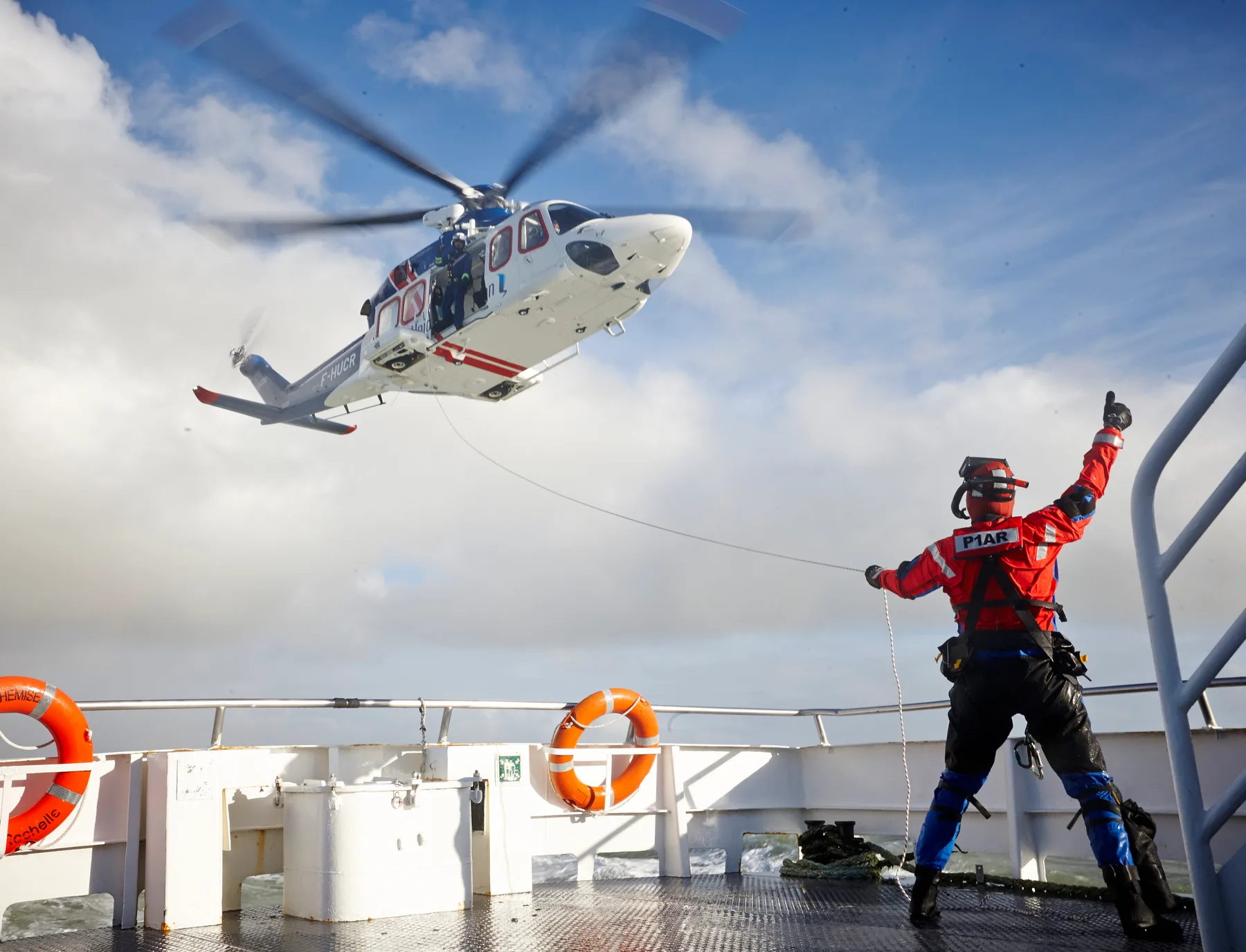
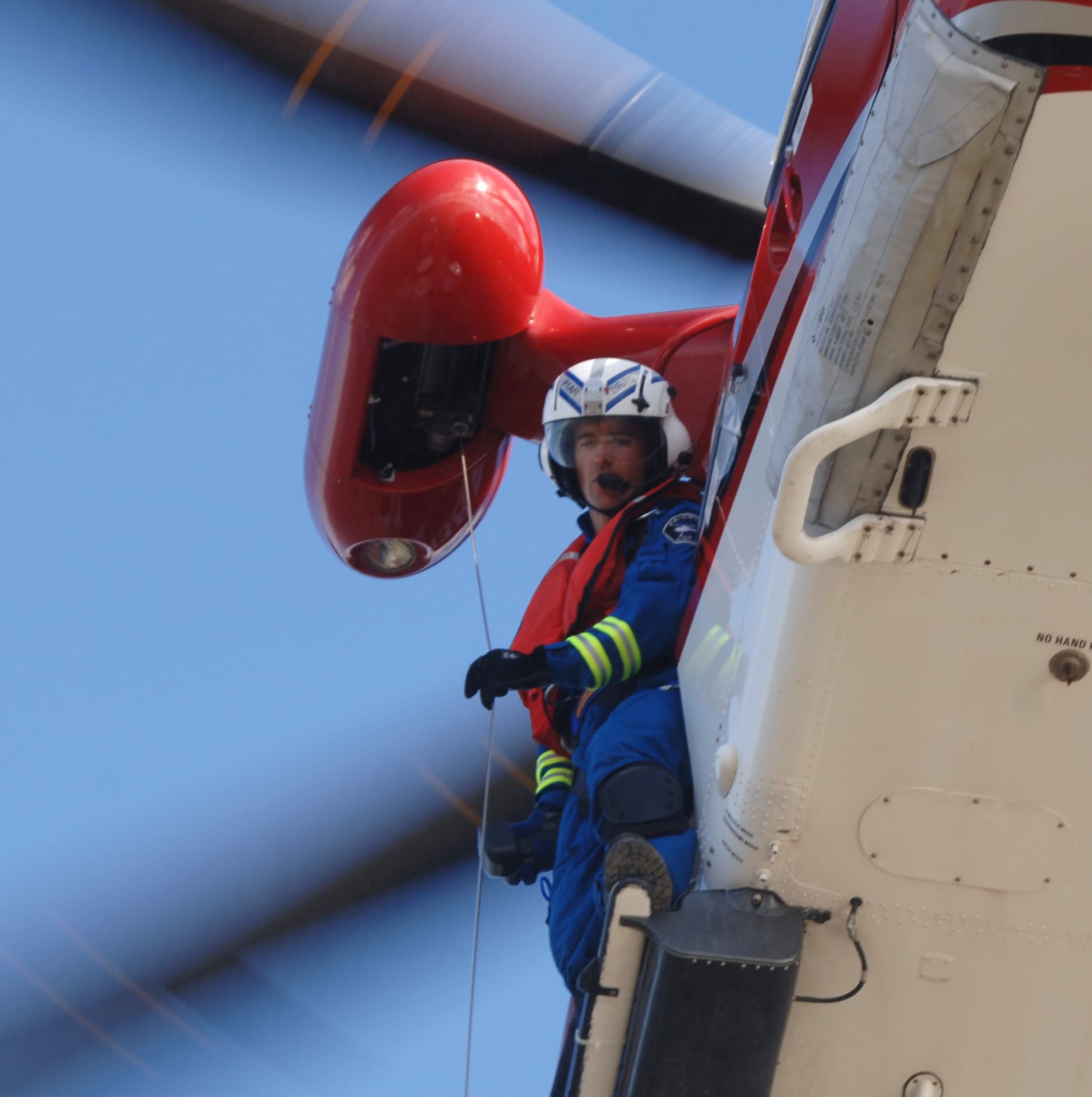
When P1AR trained U.S. Customs and Border Protection (CBP) to the same standard as the U.S. Coast Guard, something happened that had never happened before: CBP and USCG hoist crews could integrate seamlessly during hurricane response in Texas. Different aircraft, different agencies, but the same procedures, the same signals, and the same "language of SAR".
That is what a unified standard does: it transforms a collection of individual operators into a cohesive system that increases scale and flexibility in ways that individual operators never can.
♦ The Language of SAR
Translation Across Services, Platforms, Countries
Helicopter SAR is not one discipline: it is dozens of disciplines that overlap in complicated ways—and every service, every country, and every platform has developed its own vocabulary, its own procedures, and its own assumptions about how things should work.
The P1 standard functions as a translation layer across these competing styles. It maps procedures across services so that a Coast Guard flight mechanic, a Customs and Border Patrolman, and a Arizona DPS aircrewman can all understand what is being asked of them—and execute it the same way.
This is not theoretical. P1AR has delivered this translation in regionalized areas and seen the effects of what it can do when different agencies can work together in shared AORs.
♦ Complexity Map
Eight Dimensions of Complexity
We've identified eight areas where procedures diverge most sharply between services, platforms, and countries. Each one is a potential point of failure in multi-jurisdictional operations. The P1 standard addresses all eight.
◆ Dimension 01
Terminology
The same maneuver or equipment may have a different name depending on the agency. "AVED" in one agency is "Rescue Diaper" in another. Without a shared lexicon, crews from different organizations cannot work together safely—even when they both speak English!
◆ Dimension 02
Hand Signals
Visual communication between the hoist operator and pilot varies across services, platforms, and countries. A closed fist meaning "stop" in one system may mean "hold" in another. The P1 standard defines a universal signal set that works across all platforms.
◆ Dimension 03
Hoisting Technique
Europe dips…The U.S. jumps. The fundamental mechanics of how a rescue swimmer enters the water differ by continent. Each technique has valid operational rationale—the P1 standard accounts for both and trains crews to execute and interoperate regardless of method.
◆ Dimension 04
Crew Roles
Flight mechanic. Hoist operator. Rescue crewman. Rescue swimmer. Winch operator. Flight paramedic. The titles and role boundaries vary between services. The standard defines functional responsibilities that map cleanly regardless of what the position is called.
◆ Dimension 05
Medical Integration
MEDEVAC and SAR crews have different scopes of practice, different protocols, and different equipment. The P1AR standard integrates medical procedures and Pre-Hospital Life Support (PHTLS) methods into hoist workflows so patient care and aircraft operations do not compete.
◆ Dimension 06
Equipment Variance
Goodrich, Breeze-Eastern, and Vincorian hoists operate differently. Different rescue baskets have different load ratings and rigging procedures. The standard trains crews on the equipment they will actually use—configured to their specific platform.
◆ Dimension 07
Procedural Gaps
Most legacy training programs have blind spots—emergency procedures that were never formally documented, edge cases that live only in institutional memory. The standard captures and codifies these gaps so they survive personnel turnover.
◆ Dimension 08
Legacy Practices
Every service has procedures that persist because "we have always done it that way." Some are sound. Some are dangerous. The P1AR standard evaluates each practice against operational evidence and retains what works.
♦ Differences Abound
Europe Dips. The U.S. Jumps.
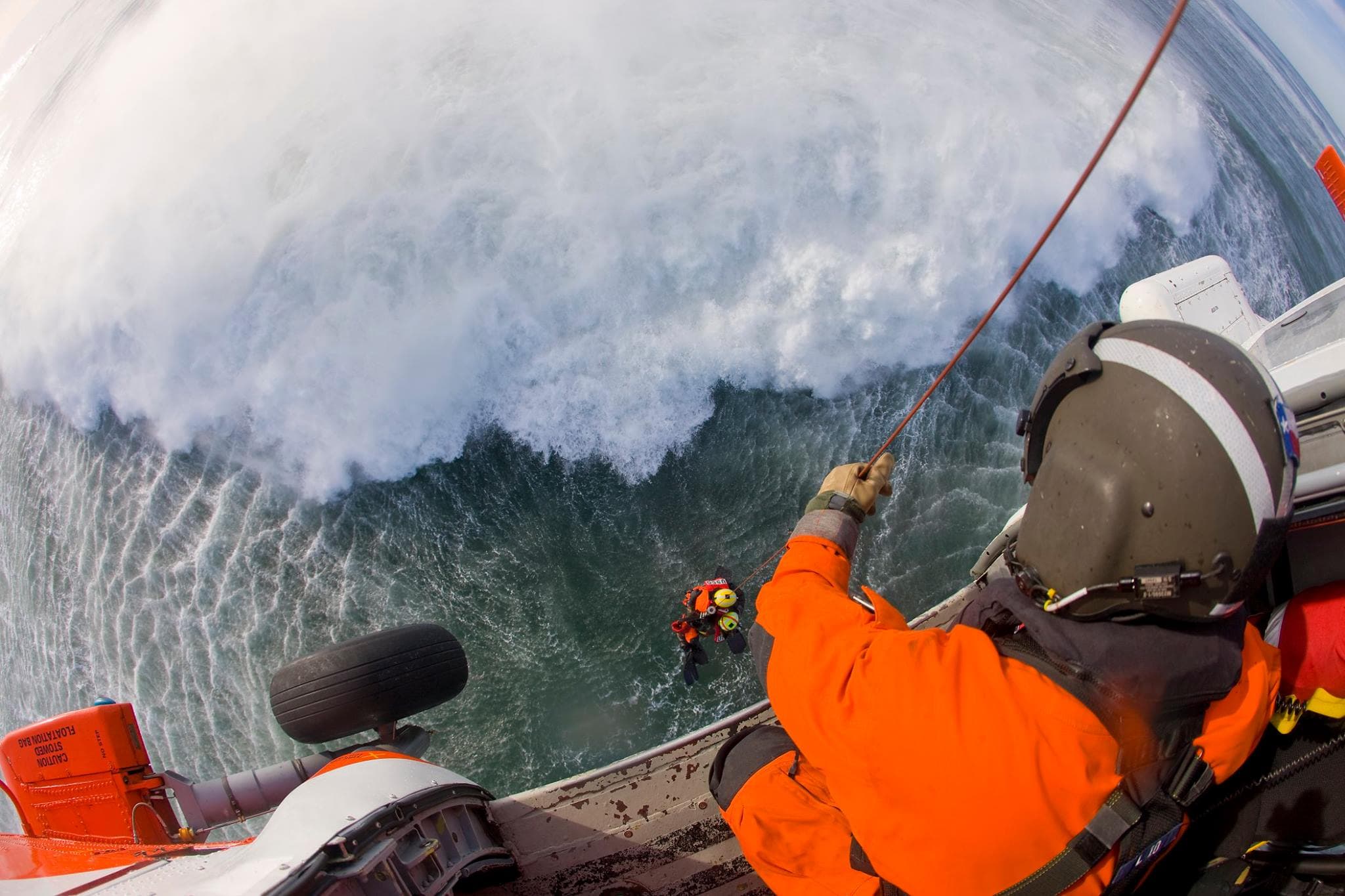
The fundamentals of how a rescue swimmer enters the water differ by continent. European services typically keep the rescue specialist attached to the hoist cable while the US services typically have the swimmer jump from the aircraft with goggles and fins on.
Both techniques have valid operational rationale rooted in decades of experience. Neither is "wrong". But when crews from both traditions need to operate together—during a joint exercise, a multinational SAR agreement, or a large-scale disaster—the differences become friction points that slow response and introduce risk.
The P1 standard does not pick one technique over the other. It trains crews to understand both, execute both, and integrate seamlessly with crews trained in either tradition.
♦ Standard Operating Guides (SOGs)
Agencies Hand P1 the Manual
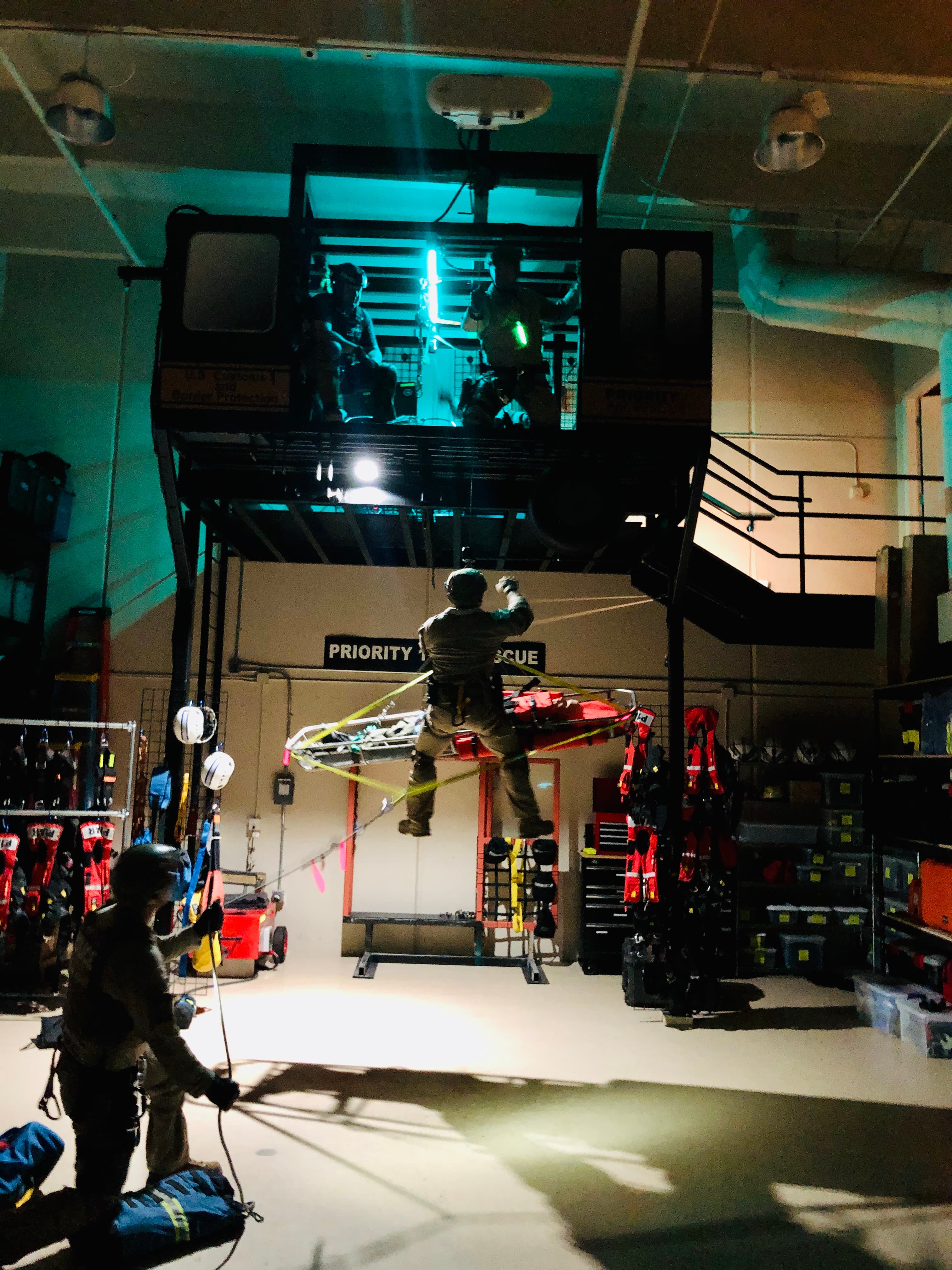
For agencies that do not have a formal SOG—or whose existing SOG has not kept pace with their operations—P1AR acts as the central nexus to map EPs and procedures, all tailored to the agency's aircraft, mission set, regulatory environment, and operational reality.
When P1AR built the SOG for U.S. Customs and Border Protection (CBP), CBP was looking to augment their current standardized SAR procedures for rear crew. As such, P1AR conducted a full operational assessment, wrote the SOG, trained the crews to it, and delivered a capability that was immediately interoperable with other agencies such as the US Coast Guard.
Today, CBP has a living document that evolves with the operation—not a binder that collects dust.
♦ Your Operation
See How the Standard Applies to Your Operation
Every platform is different. Every mission set is different. But the standard adapts. We'd love to have a conversation about how P1 can fully operationalize your current standards or build one from the ground up.
Talk to an Instructor