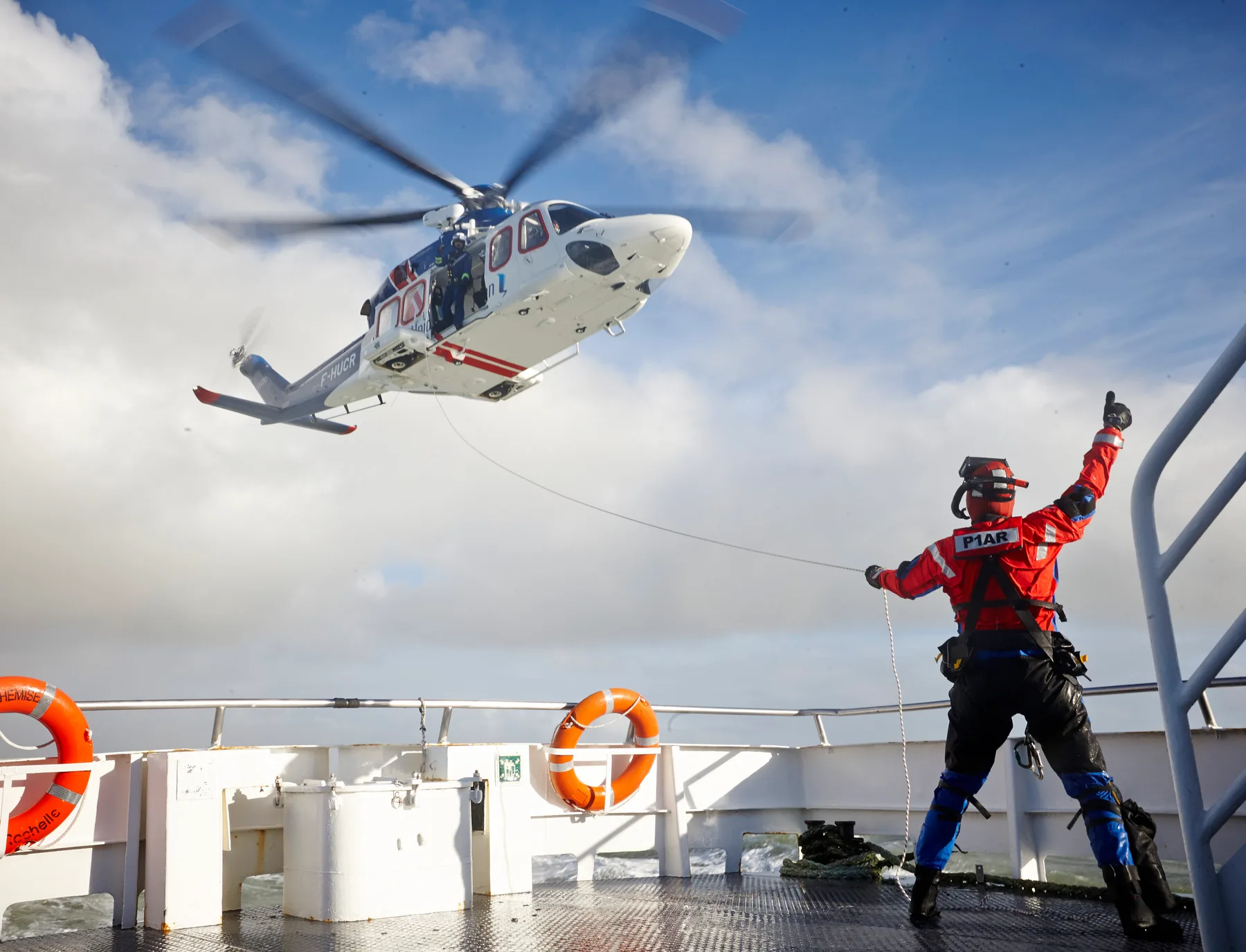
♦ Why Partner with P1AR
The Old Model Is Ending
The most seasoned guy. No curriculum. A written exam. That was rear crew training for fifty years. Unfortunately, it is not going to work anymore. Eight converging forces are pushing agencies — military, government, and commercial — toward outsourced, standardized crew training. Understanding these forces is the first step toward solving the problem.
♦ The Industry Problem
Fifty Years of "Good Enough"
For most of rotary-wing aviation history, rear crew training followed the same pattern: the operator with the most flight hours taught the new person how he did it. There was no formal curriculum, no standardized evaluation, and no regulator looking over anyone's shoulder.
That model worked (or appeared to) when mission tempo was low, aircraft were plentiful, and experienced operators stayed in their seats for twenty years. None of those conditions exist anymore. Aircraft are grounded for maintenance backlogs. Budgets are shrinking. Senior operators are retiring faster than they can be replaced. And regulatory mandates requiring formal TCM training are now in effect across Europe and advancing in North America.
The gap between what agencies need and what they can build internally is widening every year. Outsourcing is not a concession. It is the only realistic path to compliance, standardization, and sustained readiness.

♦ Eight Forces
Why the Shift Is Happening Now
Converging forces are pushing agencies—military, government, and commercial—toward outsourced, standardized crew training.
TCM Mandates
EASA AirOPS SPA-HHO is already in effect. Transport Canada and FAA equivalents are following. Formal crew training is no longer optional—it is a regulatory requirement. Agencies that relied on informal OTJ training will soon find themselves non-compliant.
Instructor Staffing Shortages
The most experienced operators are retiring. The institutional knowledge they carry, i.e., the techniques, the judgment calls, and edge-case procedures is leaving with them. Most agencies cannot recruit, train, and retain qualified instructors fast enough to close the gap.
Safety & Compliance Pressure
Incident review boards and insurance underwriters are scrutinizing crew training records with increasing rigor. "We trained them in-house" no longer satisfies the audit. Documented, regulator-certified training is the new baseline.
The Standardization Need
When every base, every shift, every instructor teaches it differently, you do not have a program — you have a collection of habits. Standardization is the only path to interoperability, and interoperability is the only path to scalable operations.
Aircraft Availability Crisis
Operational aircraft are mission assets, not training platforms. Every hour spent on training sorties is an hour the aircraft is unavailable for the mission it was procured to fly. Simulator-based training returns those hours to the flight line.
Budget Pressures
Live flight training is expensive: fuel, maintenance, personnel, unscheduled maintenance, and insurance isn't getting any cheaper. Agencies are being asked to train more people to a higher standard with flat or shrinking budgets. The math only works with simulator training as a key training element.
Bureaucratic Friction
Standing up an internal training program requires facility investment, curriculum development, instructor certification, approvals, and ongoing maintenance. Most agencies underestimate the administrative burden by a factor of three.
The Training Gap
Hoist Operator training was an afterthought for decades. While pilots were used to having type ratings, recurrent checks, and simulator requirements—rear crew got by with a handshake and a checkmark on a crew roster. That asymmetry is closing. Agencies without a plan are going to find themselves blindsided as requirements change.
♦ The Inflection Point
"The old model - the most seasoned guy, no curriculum, a written exam - is ending. The question is not whether your agency will transition to formal crew training. The question is whether you will do it before the regulator makes you."
EASA AirOPS SPA-HHO is already in effect for European operators. Transport Canada and the FAA are developing equivalent requirements. Agencies that build compliant programs now will be ahead of the mandate. Agencies that wait will be scrambling to catch up — at a higher cost, with fewer options, and under regulatory scrutiny.
♦ The P1AR Solution
What Partnering with P1AR Actually Looks Like
P1AR delivers a complete training capability—curriculum, instructors, facilities, simulators, evaluation, insurance requirements, and ongoing program maintenance—so the agency can focus on the mission.
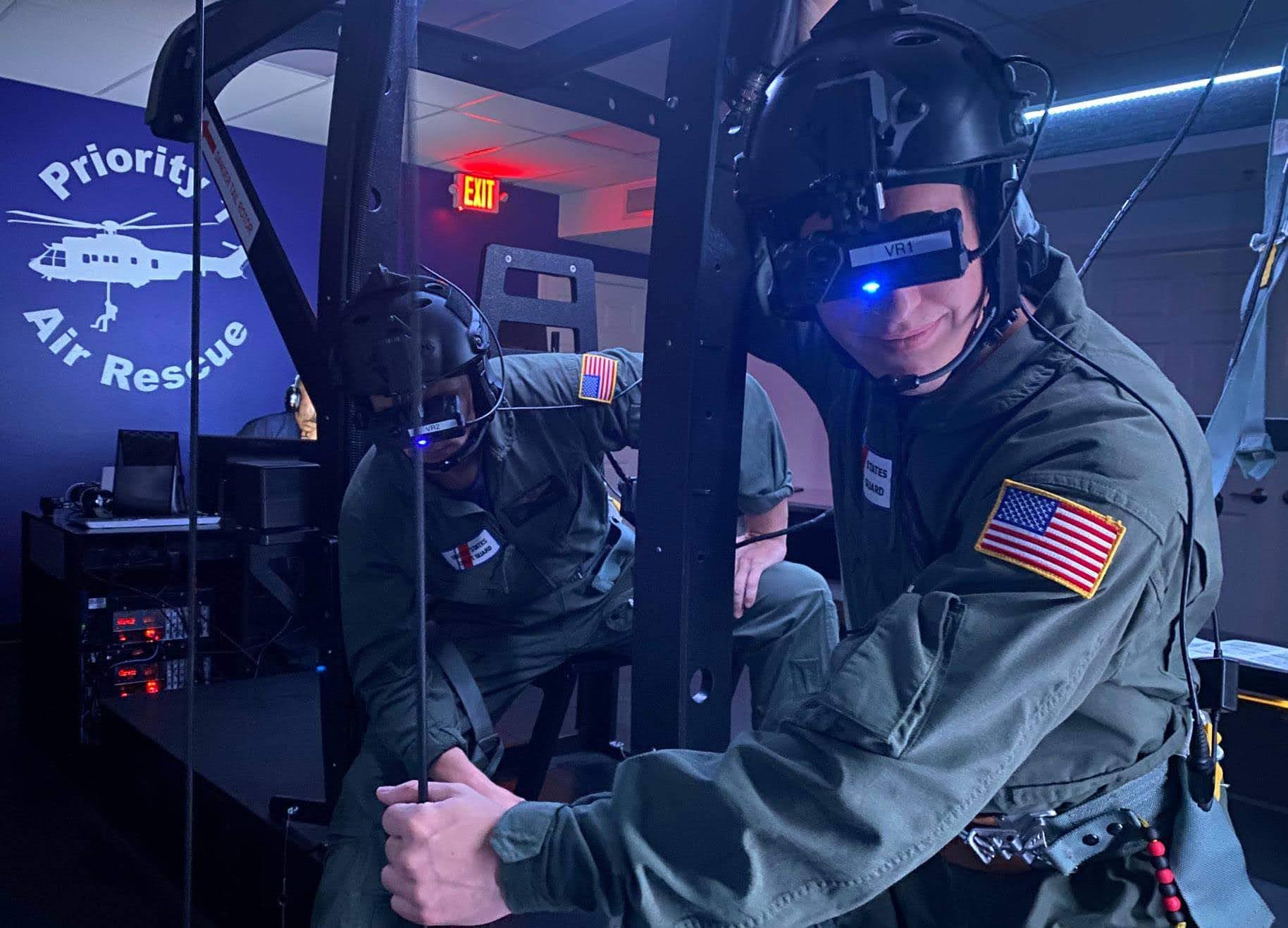
Turnkey Curriculum
Training curriculum, lesson plans, evaluation standards, and courseware written to your platform, your mission, and your regulatory environment. We constantly update our courseware to match customer needs.
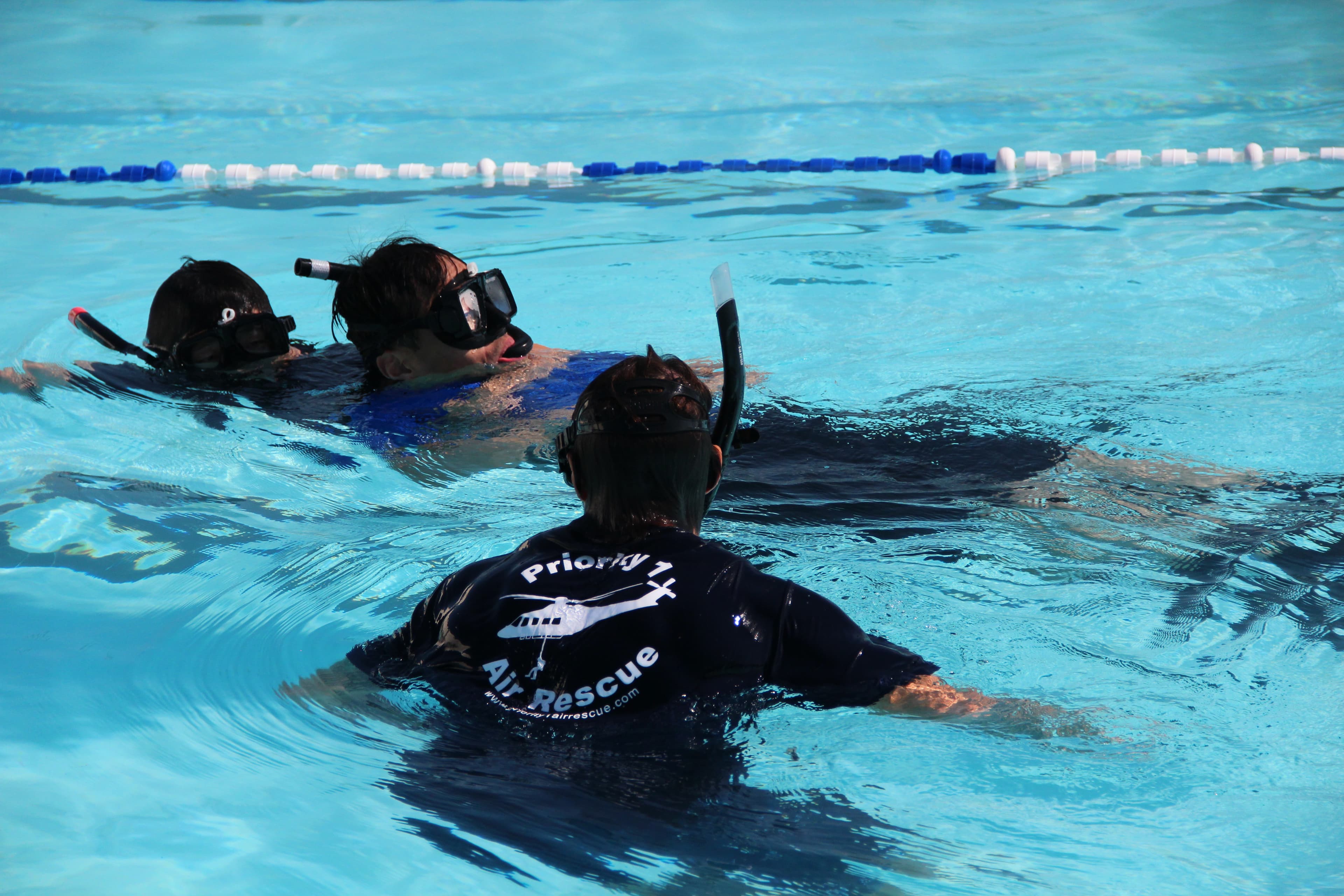
Certified Instructors & Pilots
Full-time P1AR instructor cadre with deep training experience across multiple regulatory and mission requirements. We pride ourselves on recruiting the best instructors, often with 20-30 years of experience in their area of expertise.
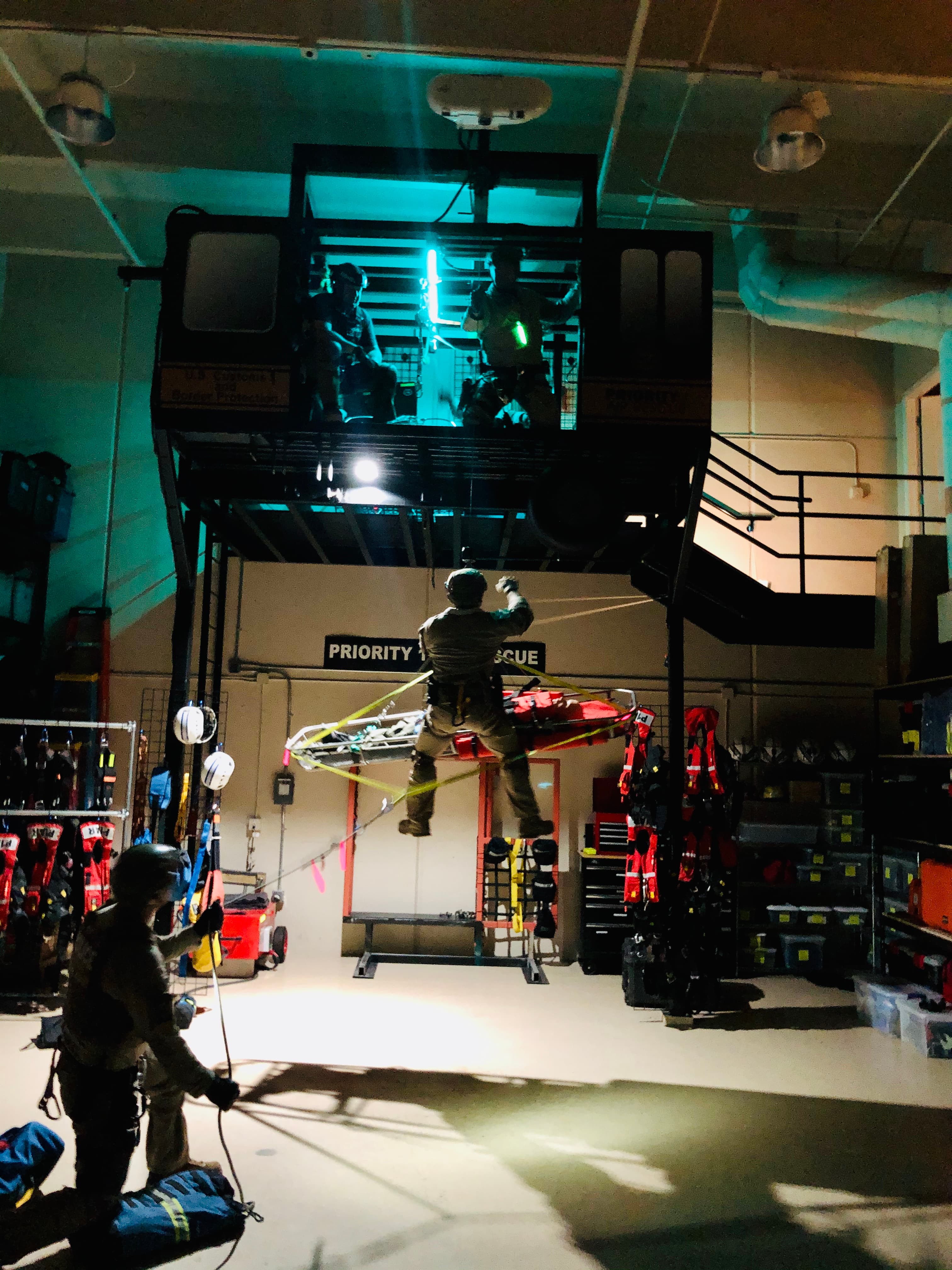
SART/TAC Facilities
Two dedicated academies covering the globe—Mesa, AZ and Bordeaux, France—with AAMS simulators, HPTs, fast-rope towers, and advanced classrooms. We can also train on-site at your facilities with your aircraft, as needed.
♦ Start the Conversation
Talk to Us About Your Training Goals
Whether you are responding to a new mandate, replacing a retiring crew, or building a program from scratch—we have done it before, at scale, for the most demanding operators in the world. Talk to us today about how we can partner with your agency around your training goals and capability needs.
Talk to UsReady to take the next step?
Talk to Us